Power Sponsorship
Bold clients. Ambitious sponsorship programs. Real results.
I work with sponsors, rightsholders, and government organisations that are ready to stop settling for good enough, and start getting the results sponsorship is capable of delivering.
Maybe your program is running without a real strategy behind it, or the strategy is so out of date that it’s being ignored. Maybe your team has the skills but not the confidence, or the vision but not the expertise and tools to back it up.
Whatever the gap, closing it doesn’t mean starting from scratch. It means bringing me in. I’ve spent my career figuring out what will work (and what doesn’t), building programs that turn the opportunities you’ve got into the results you need.
Your no-bull sponsorship advisor
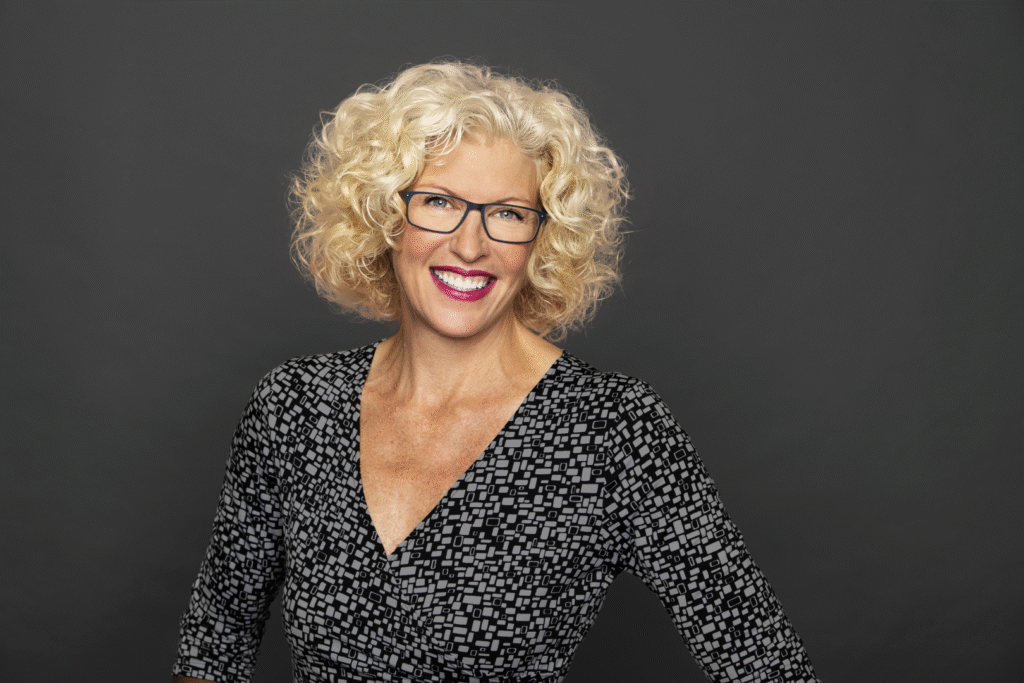
I’m Kim Skildum-Reid, and I’m the person you’ll be working with. Thirty years in sponsorship, the industry’s bestselling books, and blue-chip clients all over the world. When you hire Power Sponsorship, you’re hiring me. I handle all strategy, advisory, and capacity-building work personally.
I take a best practice approach to multiplying sponsorship results, mixing in the most promising trends and new technology, ensuring that our work together sets you up for sustainable results.
There are no account managers, no hand-offs to junior staff. Just me, doing the work.
Some of the organisations I have worked with
I work with
Sponsors that want to
- Get every sponsorship in the portfolio properly leveraged, not just the flagship few
- Build real advocacy and alignment with fans and customers, not just awareness
- Report credible, defensible returns to the business
- Streamline a portfolio that’s grown heavier than the team can manage
- Make sponsorship reflect who they are as a brand
Rightsholders that want to
- Grow sponsorship revenue and sponsor engagement
- Present as a sophisticated, credible partner
- Broaden what they’re able to offer sponsors
- Manage a complex, multi-stakeholder structure with confidence
- Create a genuine point of difference from every other pitch landing on a sponsor’s desk
Work with me
However you work with me, you get three decades of hands-on sponsorship expertise, with no hand-offs and no junior staff involved. Here’s how I can help:
Sponsorship consulting
- An expert, objective review of where your program stands today
- Strategy built for your organisation, balancing vision, potential, and practicality
- A roadmap your team and stakeholders can run with, and the support to make it happen
Sponsorship Systems Design™
- A consistent, best-practice approach across diverse teams, divisions, or regions
- Tools and frameworks built for how you actually operate, not vague, generic edicts nobody follows
- Development of an overarching approach and capacity-building that is sustainable for the long term
Sponsorship training
- Fully customised programs for your team, your partners, or your industry group
- Practical skills, real confidence, and genuine stakeholder buy-in
- Live work on your actual sponsorships, not just generic case studies
Sponsorship keynotes
- Topical, thought-provoking keynotes backed by three decades of credibility
- Bespoke content built for your audience
- A presentation that inspires action, not just applause
Sponsorship advisory
- Standing access to my wisdom and judgment, on retainer
- Two scheduled strategy calls a month, plus support for what comes up in between
- An ongoing second opinion as your team executes
Not sure which option is right for you? Start from the problem instead
That is a consulting engagement. An honest audit of what is actually happening, then a strategy built for your organisation rather than lifted from a template. Sponsorship consulting
That is training, built around your live sponsorships rather than generic case studies. Sponsorship training
That is Sponsorship Systems Design, for large, diverse or far-flung organisations with multiple teams running their own programs. Sponsorship Systems Design
A strategy session. A day or two, and enough skills, strategies and ideas to improve your sponsorship for years. Strategy sessions
A keynote, custom-built for your audience, plus a panel, workshop or VIP session if you want the full package. Sponsorship keynotes
Advisory. Standing access to my judgment on retainer, with two scheduled strategy calls a month. Sponsorship advisory
Expert witness work, for lawyers and law firms. Sponsorship expert witness
The online courses and the books. The same best-practice content, built for people doing the work themselves. Online training
As seen in
Every day you put off upping your game is an opportunity for results that you’ll never get back.